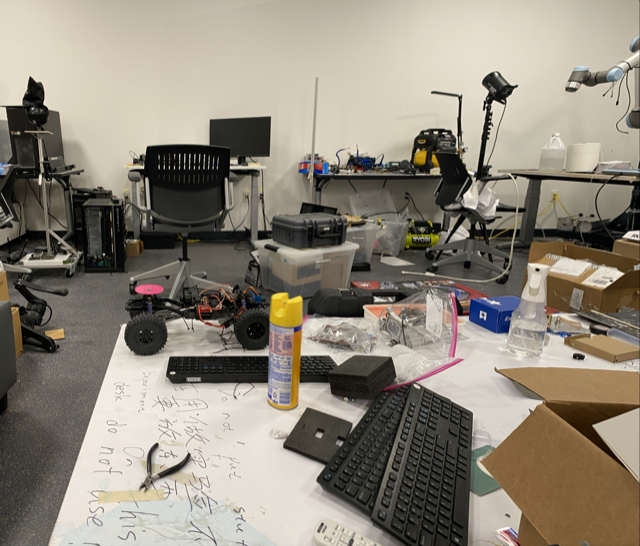
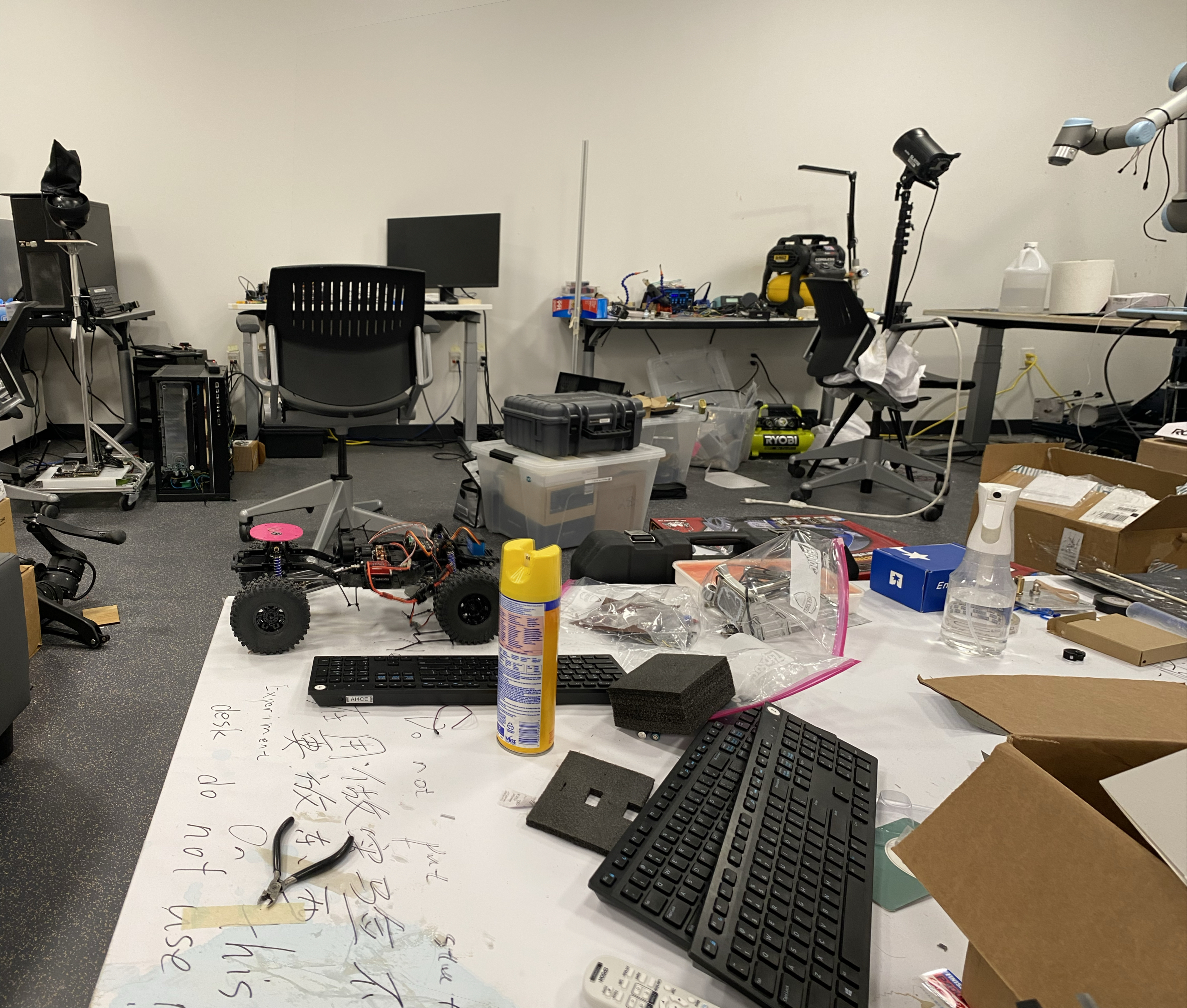
Feature matches between two frames give a homography. The second frame is warped onto the first, and dynamic weighted fusion dissolves the seam line that simple pasting leaves behind.
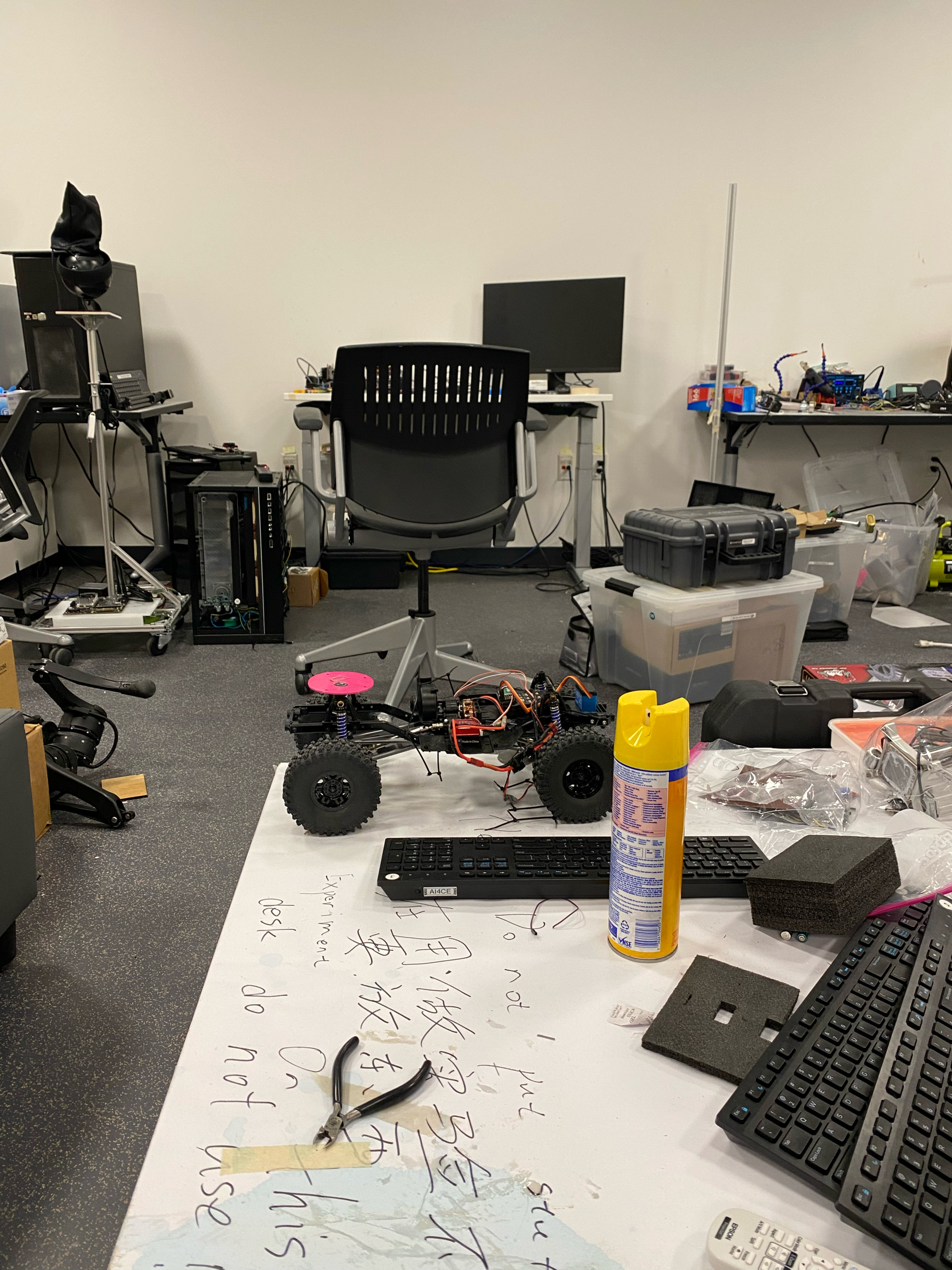
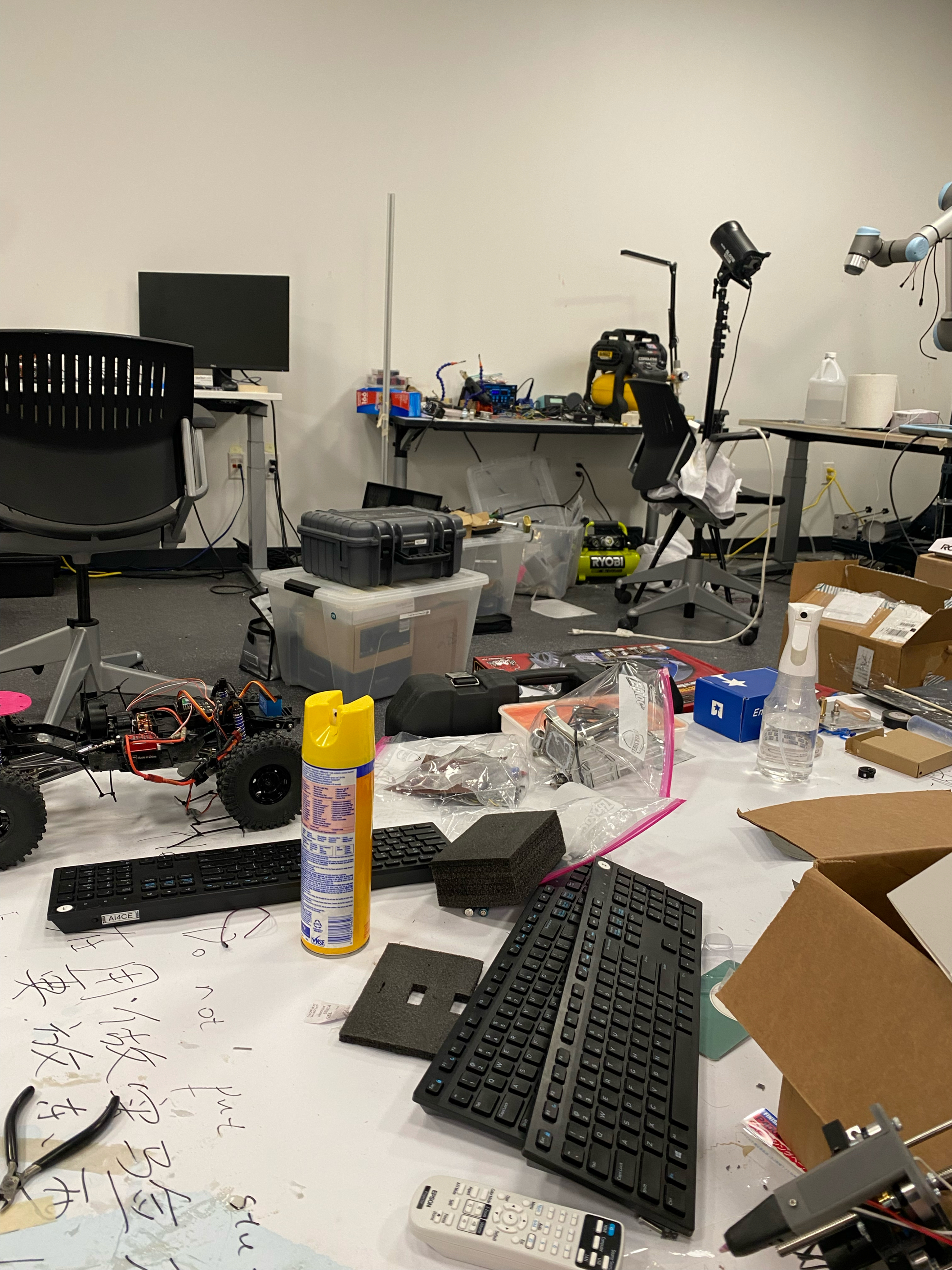
Pipeline
1 · Grayscale and feature extraction
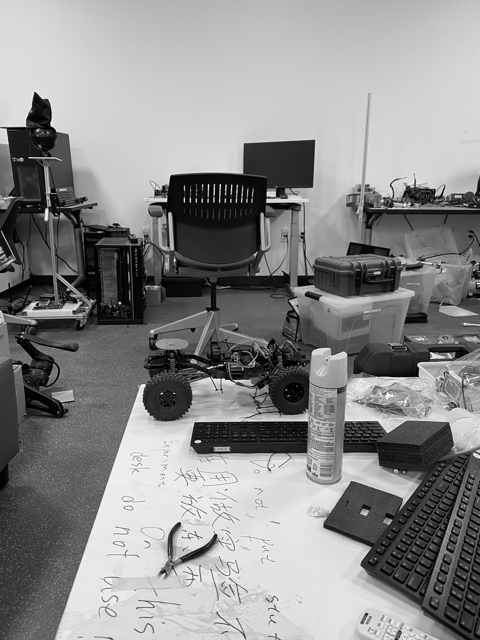
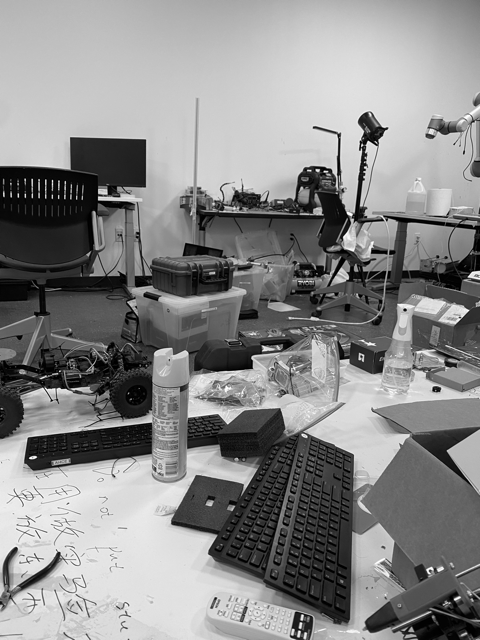
Both images are converted to grayscale so that SIFT can extract keypoints and descriptors.
2 · Matching
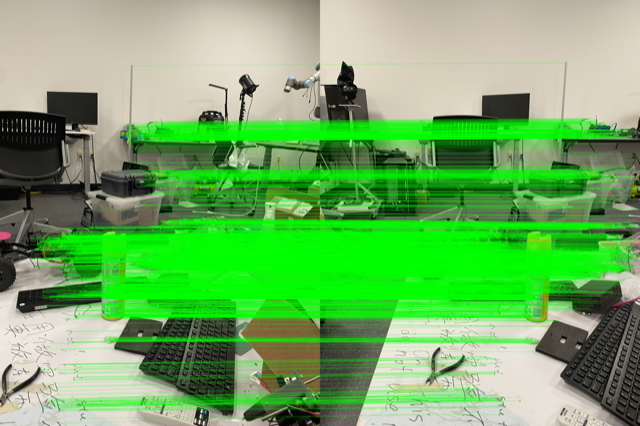
Descriptors are matched with OpenCV’s FlannBasedMatcher, then filtered with Lowe’s ratio test to keep only confident correspondences.
3 · Homography and warp
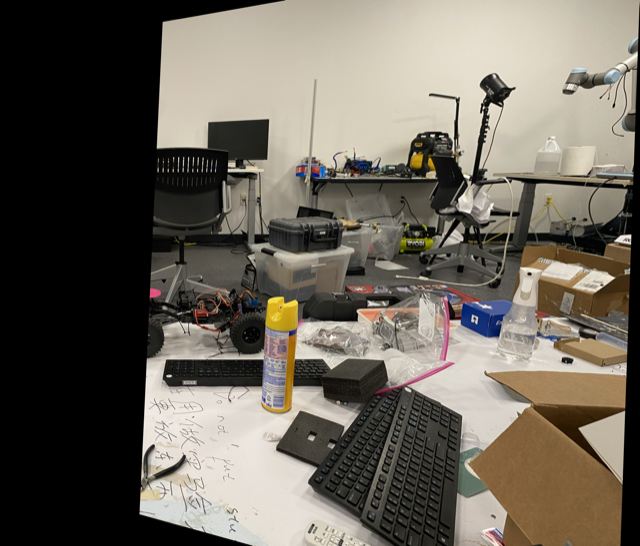
The retained matches give a homography, which is applied to the right image to bring it into the left image’s frame.
4 · Naive addition, and its seam
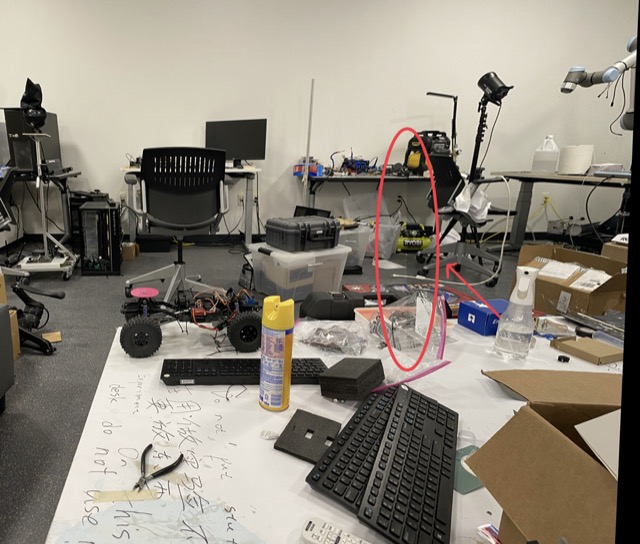
Laying the left image over the warped right image produces a sharp vertical seam at the left image’s right-hand edge. It is subtle here, but clearly visible where the arrows point.
5 · Dynamic weighted fusion
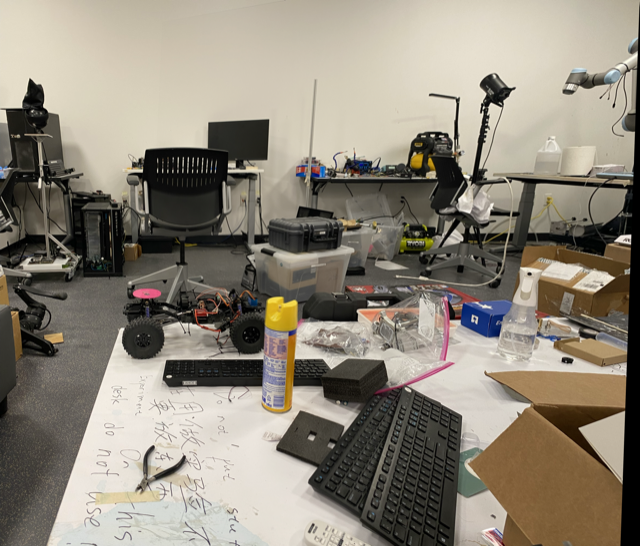
Weighted fusion across the overlap removes the seam, blending the two frames into each other rather than stacking them.
6 · Corner correction
Warping leaves ragged corners. A final warp pulls the corners back to the image edges, giving the finished panorama.